
Introduction
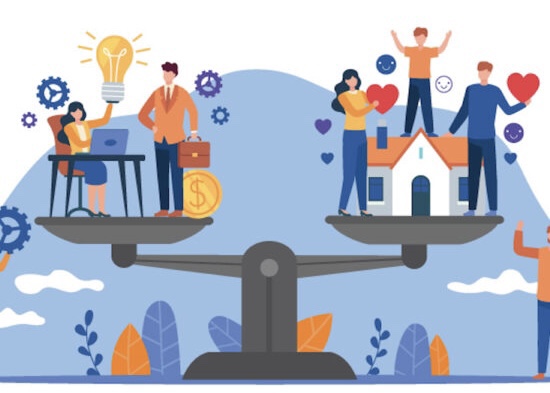
The modern workforce has evolved to a point where the lines between work and personal life have become blurred. As a result, the quest for job satisfaction, healthy family relationships, and work-life balance has become an important pursuit for many. In this article, we will explore the ways in which job satisfaction, family dynamics, and work-life balance affect happiness and overall well-being.
Job Satisfaction
Job satisfaction is defined as the extent to which employees feel content and fulfilled with their jobs. It is determined by multiple factors, such as job autonomy, work environment, compensation, recognition, and opportunities for professional growth. Several studies have demonstrated a strong link between job satisfaction and happiness, as well as an individual’s overall well-being.

The Link Between Job Satisfaction and Happiness
A high level of job satisfaction has been proven to positively impact happiness and well-being. Employees who are satisfied with their jobs are more likely to be engaged, motivated, and loyal to their organizations. They are also less likely to experience burnout, stress, and mental health issues.
Job satisfaction contributes to happiness by fulfilling the basic psychological needs of autonomy, competence, and relatedness, as proposed by the Self-Determination Theory (SDT). When these needs are met, employees are more likely to experience intrinsic motivation, which in turn, fosters overall well-being.
Family Dynamics and Well-Being
Family is a central aspect of most people’s lives, providing a sense of belonging, love, and support. Strong family relationships contribute to happiness and well-being by offering emotional stability, reducing stress, and promoting resilience during challenging times.

The Role of Work-Life Balance in Family Dynamics
Achieving work-life balance is crucial to maintaining healthy family dynamics. When individuals are able to manage their professional and personal lives effectively, they are less likely to experience stress, burnout, and strained relationships at home. Moreover, having a healthy work-life balance allows individuals to be more present and engaged with their families, thereby nurturing stronger connections and promoting overall well-being.
Work-Life Balance
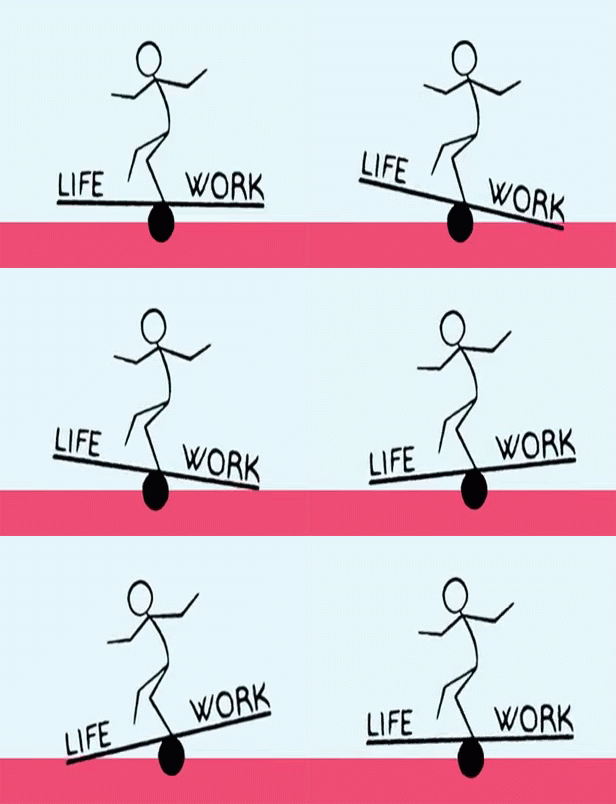
Work-life balance refers to the equilibrium between professional and personal responsibilities. It involves managing time, energy, and resources to achieve a healthy balance between work and personal life. The benefits of work-life balance include reduced stress, increased job satisfaction, and enhanced overall well-being.
Strategies for Achieving Work-Life Balance
1. Set boundaries: Establish clear boundaries between work and personal life by setting specific hours for work and leisure, as well as creating separate spaces for each at home.
2. Prioritize self-care: Engage in regular self-care practices, such as exercise, hobbies, and relaxation techniques, to recharge and maintain mental and emotional well-being.
3. Manage time efficiently: Utilize time management tools and techniques, such as to-do lists, prioritization, and delegation, to maximize productivity during working hours.
4. Build a support network: Foster strong relationships with family, friends, and colleagues who can provide emotional support, encouragement, and practical help when needed.
5. Be flexible and adaptable: Recognize that achieving work-life balance is an ongoing process that requires constant adjustments and adaptations to changing circumstances.

Current situation in the US
Job satisfaction hit a 36-year high in 2022, reflecting two effects of the tight pandemic labor market: The quality of jobs improved as wages and work flexibility increased, and workers moved into positions that were a better fit.
The above, according to a survey of 1,680 workers conducted by the Conference Board in November 2022, before a spate of layoffs at high-profile companies and rising worries about a potential recession. While unemployment remains low, a recent decline in job openings suggests that workers have fewer options and might be feeling more anxious about their job security and potential alternatives.
Of the 26 measures the Conference Board polled workers on, the biggest year-over-year increases in satisfaction came from work-life balance and workload. Some of those metrics might look different today (May 2023) as many employers have reversed policies or toughened requirements for in-person work.
Among the happiest workers: people who voluntarily switched jobs during the pandemic and individuals working in hybrid roles with a mix of in-person and remote work who also feel their job is meaningful and gratifying. Men’s satisfaction was higher than women’s in every component, especially in areas such as leave policies, bonus plans, promotions, communication and organizational culture.
Mid-career people, people with kids, seem to be benefiting a lot from recent shifts in work, especially hybrid and remote arrangements that allow for better work-life balance which might be in danger if companies start forcing them to go back to the office and the job market is scarce. Once the unemployment rate goes up, there will be fewer people changing jobs they were unhappy with.
Conclusion
Job satisfaction, family dynamics, and work-life balance are all interconnected and play a critical role in determining an individual’s happiness and overall well-being. By prioritizing job satisfaction, nurturing strong family relationships, and striving for a healthy work-life balance, individuals can enhance their happiness and overall well-being and mental health, leading to a more fulfilling and meaningful life.
 Fintech Cafe
Leave a comment