

In recent years, Latin America has witnessed a surge in the adoption of alternative payment methods, including digital wallets, mobile payments, QR code payments, and real-time payments (RTP). These innovations are reshaping the financial landscape across key markets. As these alternatives gain traction, they present both opportunities and challenges for established players, particularly in relation to debt and credit card adoption and usage.
The Rise of Alternative Payments
Alternative payment methods have rapidly gained popularity in Latin America due to their convenience, accessibility, and ability to address the region’s historically low levels of financial inclusion. A combination of factors—including a young, tech-savvy population, increasing smartphone penetration, and efforts by governments and fintechs to promote digital financial services—has fueled this growth.

Digital Wallets and Mobile Payments: Digital wallets like MercadoPago, which reported over 52 million active users across Latin America in 2023, with a total payment volume (TPV) of $123 billion, PicPay (Brazil), Yape (Peru) and Nequi (Colombia) have become household names, offering consumers a seamless way to store and transfer money, pay bills, and make online and in-store purchases. Mobile payments, particularly through apps and contactless technology, are also on the rise, enabling users to make transactions with a simple tap of their smartphones.
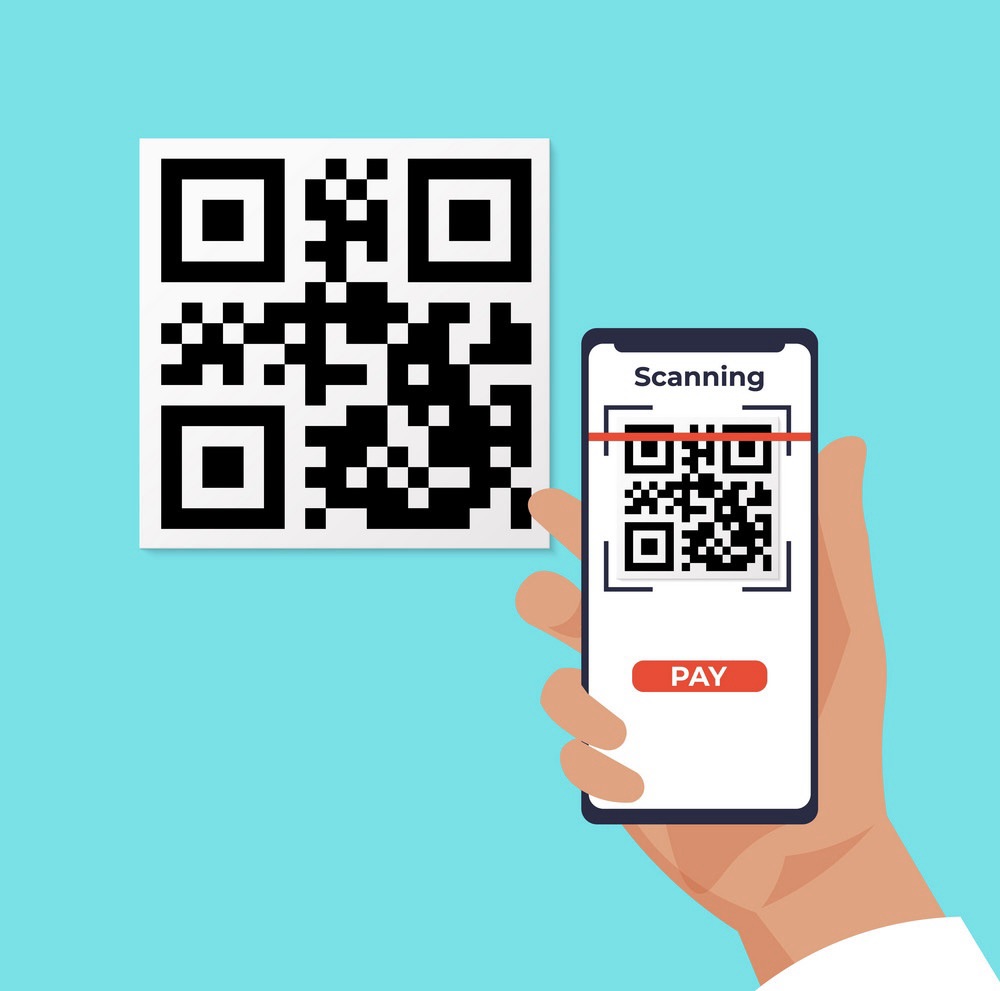
QR Code Payments: As a form of mobile payments, QRC payments have emerged as a low-cost, easily deployable solution for both consumers and merchants. In countries like Brazil and Mexico, QR codes are increasingly used for peer-to-peer (P2P) transfers and merchant payments, making digital transactions more accessible to small and micro-businesses that previously relied on cash.
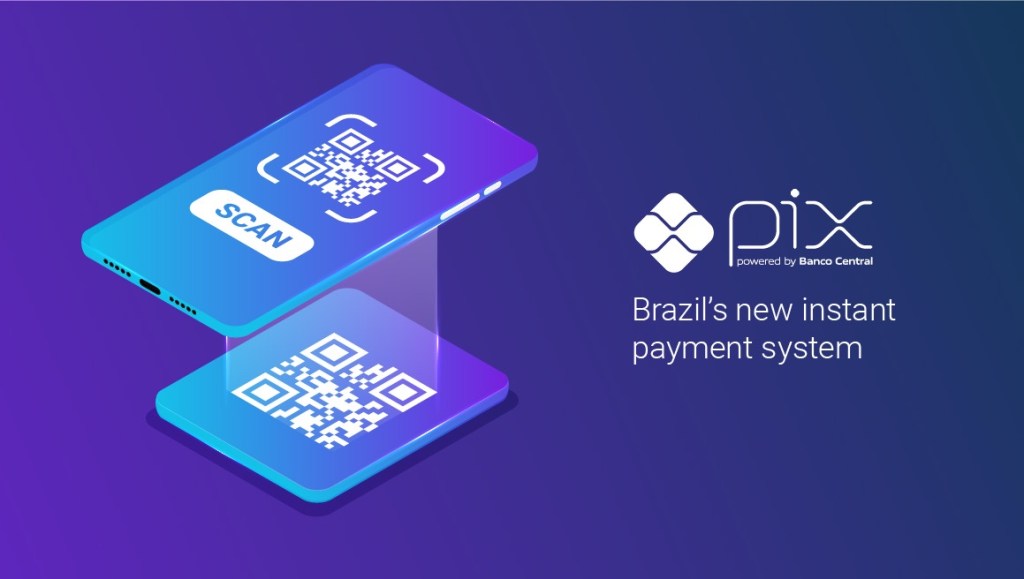
Real-Time Payments (RTP): RTP systems, such as Brazil’s PIX, have revolutionized the payments landscape by enabling instant, 24/7 transfers between bank accounts. PIX, launched by the Central Bank of Brazil in 2020, has been particularly successful, with over 122 million users by 2023. Its rapid adoption underscores the demand for faster, more efficient payment options. Other RTP systems in the region include SPEI in Mexico, Transferencias 3.0 in Argentina, CCE in Peru and ETF in Chile.

Cryptocurrencies: In markets with volatile currencies, such as Argentina, cryptocurrencies like Bitcoin and stablecoins have gained traction as alternative stores of value and mediums of exchange.
Impact on Debit and Credit Card Adoption
The rise of alternative payments has a complex impact on debit and credit card adoption and usage in Latin America. On one hand, these new payment methods offer significant benefits:
1. Financial Inclusion: Alternative payments are instrumental in expanding financial inclusion. By providing access to financial services through mobile phones, digital wallets, and QR codes, millions of previously unbanked individuals can now participate in the formal economy. This inclusion can lead to increased credit adoption as consumers build their financial histories reducing dependency on cash.
2. Merchant Adoption and Digital Payment Growth: The ease of setting up and accepting alternative payments encourages merchants, especially small and micro businesses, to adopt digital payment methods. This shift reduces reliance on cash, promotes transparency, and helps integrate businesses into the formal economy, which can potentially increase their eligibility for credit.
3. Shift of Consumer Preferences: As consumers become more accustomed to using alternative payments, they become more comfortable with digital financial services, which could lead to greater interest in other financial products, including credit cards and loans. In Argentina, BNPL transactions increased by 95% in 2023 compared to the previous year.
4. Emerging issuers beyond traditional banks: Marketplaces, fintechs and neo banks like Nu and MercadoPago are consolidating as the leading issuers by targeting a traditionally underserved segment of the population. In markets like Mexico these two players have established among the leading credit card issuers with over 6 million of cards issued as of 2023 surpassing large established global banks. The emergence of non-traditional issuers extends beyond credit cards, and is also leading to increased issuance of prepaid cards, creating an opportunity by enabling card payments through the most popular digital wallets by having a card as the underlying payment method.
However, there are also potential downsides:
1. Reduced Dependence on Physical Cards: As consumers find convenient, cost-effective alternatives to traditional cards, particularly through digital wallets and RTP systems and BNPL alternatives, their reliance on credit cards may diminish. This trend could lead to a reduction in credit card issuance and usage, particularly among younger, tech-savvy consumers who prefer the immediacy and lower costs associated with alternative payments.
2. Cheaper Alternatives: The low transaction costs associated with non-card payments such as RTP and stored balance payments with digital wallets make them attractive alternatives to cards, which often come with fees and high interest rates in the case of credit cards. As a result, consumers and merchants may increasingly opt for these cheaper alternatives, further eroding the traditional credit card market.
Market Overview: Key Players and Consumer Behavior
Leading merchants in Latin America are investing in bringing an omnichannel experience through their digital wallets. Such is the case of WalMart Mexico with Cashi, Oxxo with Oxxo Pay, Grupo Exito with Tuyo in Colombia, Falabella with FPay in Chile and Peru, or ABI with its significant fintech investments across the region among others.
Mexico: 🇲🇽
Mexico’s alternative payment ecosystem is thriving, with digital wallets like MercadoPago processing over $40 billion in transactions in Mexico alone in 2023 and RappiPay gaining popularity among consumers and small businesses. The government’s CoDi platform, a QR code-based payment system based on SPEi, has also seen some growth, though its adoption is slower than expected and far from reaching critical mass to be relevant and has not been able to capitalize on SPEI’s success, and it is early to see if DiMo, Banxico’s new platform for RTP using mobile numbers, will have a different outcome but since it is being pushed by banks, its odds are significantly better.
Credit card penetration remains relatively low in Mexico where MercadoPago and NuBank are starting to capitalize on the base of the pyramid; but at the same time, consumers are increasingly turning to other forms of digital payments as a more accessible option. MercadoPago’s TPV in Mexico grew by 80% year-over-year, reaching $40 billion in 2023.
Brazil: 🇧🇷
Brazil is a leader in the region’s digital payments revolution, driven by the success of PIX with over 130 million registered users at the end of 2023. The platform has become ubiquitous, with millions of transactions processed daily with over 60% of Brazilians aged 18-34 preferring PIX to credit cards.
Digital wallets like PicPay and Nubank with its 75 million customers are also popular, particularly among younger users offering both alternative payments and credit services. Credit card usage remains high with over 60% of Brazilians owning at least one card, but the growing preference for PIX may challenge its dominance in the long term. PIX processed over $4 trillion in transactions in 2023, surpassing the combined volume of credit and debit card transactions. Digital wallets accounted for nearly 20% of all online transactions.
Colombia: 🇨🇴
In Colombia, digital wallets like Nequi and Daviplata are widely used with over 20 million users combined, especially among younger consumers. The country’s financial inclusion rate has improved significantly due to these services.
However, credit card usage remains stable, with alternative payments complementing rather than replacing traditional methods.
Peru: 🇵🇪
Peru’s alternative payment market is still in its early stages, but digital wallets like Yape and Tunki are gaining traction reaching over 12 million users in 2023. However, cash still dominates, with over 70% of transactions conducted in cash. The country faces challenges in achieving widespread adoption due to lower smartphone penetration and financial literacy levels.
However, as digital payments become more accessible, they have the potential to reduce cash reliance and boost credit card adoption.
Chile: 🇨🇱
Chile’s payment landscape is characterized by high credit card usage, but digital wallets like MACH and Fpay are gradually making inroads. The government’s push for greater financial inclusion is expected to drive the growth of alternative payments, though credit cards continue to play a significant role in the market.
Argentina: 🇦🇷
Argentina’s volatile economic environment has led to a surge in the use of digital wallets like MercadoPago, which offer a stable alternative to cash. Credit card usage remains high, but the country’s ongoing economic challenges may lead to increased reliance on digital payments as a safer and more reliable option. Cryptocurrencies are also widely used, with around 10% of the population owning digital assets as inflation topped 100% in 2023, cryptocurrencies have gained significant popularity as a hedge against currency devaluation.
Digital payments, including mobile wallets and cryptocurrencies, accounted for nearly 30% of all transactions in 2023, up from 18% in 2020. MercadoPago alone saw a 72% increase in TPV

Impact on Cash Usage
One of the most significant impacts of the rise of alternative payments in Latin America has been the reduction in cash usage. In Brazil, for example, PIX has become a preferred method of payment, with cash usage declining as more consumers and businesses embrace instant digital transactions. Similarly, in Mexico, digital wallets and QR code payments are gradually reducing the dominance of cash, particularly in urban areas.
However, the transition away from cash is uneven across the region. In countries like Peru and Argentina, cash still plays a dominant role, especially in rural areas and among older populations. Continued efforts to promote financial literacy and expand access to digital financial services will be crucial in driving further reductions in cash usage.
Strategic Recommendations for Incumbents
As alternative payments continue to gain momentum in Latin America for many use cases like P2P, P2M and B2B, card networks must adapt their strategies to remain competitive and lead the digital payments revolution addressing the needs of both consumers and businesses. Here are some key recommendations:
1. Strengthen Partnerships with Fintechs:
Collaborating with (and acquiring) local fintechs can help card networks tap into the growing alternative payments market as they have already been doing. By integrating their services with popular digital wallets and mobile payment platforms, they can expand their reach and maintain or even increase relevance in a rapidly changing landscape.
2. Enhancing Value-Added Services:
With increased focus on customer-centricity and digital transformation, card networks need to focus on their already strong—and unmatched by smaller players—offering of value-added services that complement alternative payments, such as loyalty programs, merchant offers and discounts, consulting, fraud protection, and credit-building tools, infrastructure and adoption of contactless cards, among others. These services can differentiate their offerings and encourage continued use and growth of their products.
3. Promoting Financial Education:
Investing in financial education initiatives can help card networks foster greater understanding and adoption of their products, particularly among younger and unbanked populations. By positioning themselves as leaders in financial literacy, they can build trust and loyalty among consumers. Initiatives like Mastercard’s “Girls4Tech” in Brazil, which educates young girls about financial technology, can help build a future generation of informed consumers who trust and use their products.
4. Innovating in Real-Time Payments:
To compete with the success of platforms like PIX, card networks should develop and promote their own—already existing—RTP solutions and infrastructure tailored to the Latin American market and strengthen their partnerships with local governments and regulators. These solutions prioritize security, speed, convenience, and cost-effectiveness to attract both consumers and merchants.
5. Expanding Access to Credit:
They can leverage alternative payments to expand and build partnerships with banks and neobanks like Albo and Nu and Payfacs like Clip, Bold, and PagSeguro to increase access to credit, particularly among underserved populations. By partnering with banks and fintechs offering microcredit or “buy now, pay later” (BNPL) options through digital wallets and mobile platforms, they can help capture a new segment of users who may be hesitant or unable to use traditional credit cards.
6. Cross-border Payments and Remittances:
The focus on cross-border and instant payments has contributed to the growth of the mobile money ecosystem in the region. Latin America is the second region in the world in terms of remittances value received after Asia. Despite the region’s high share of global remittances, there’s still a great opportunity to use mobile money for such transactions. Despite the inroads gained over the past few years in digital payments, money transfer operators (MTOs) still dominate the space as digital transactions are very costly.
Players like Wise, Remitly, Xoom and Dolar App—backed by Mastercard’s recently acquired Arcus—are steadily becoming household names, but in order to compete with cash, innovators within the fintech space need to put more focus on reducing costs, eliminating unnecessary steps, reaching a wider audience and increasing the value of clients’ money through digital wallets. Card networks have the footprint to two share of global players in the space to facilitate not only remittances but B2B payments and disbursements to compete with emerging players like EBANX and d-local.
7. Leverage Data for Customized Offerings:
Data analytics can help create personalized offerings. In Argentina, for example, Mastercard has used data insights to tailor credit products that cater to the specific needs of consumers struggling with economic instability, offering more flexible payment terms and rewards. They can use their unmatched analytics capabilities and in-house data to strengthen their partnerships with issuers, acquirers and merchants.

Conclusion
The rise of alternative payments in Latin America presents both opportunities and challenges for established players. While these innovations have the potential to expand financial inclusion, reduce cash usage, and drive digital payment adoption, they also pose a threat to traditional credit card models. By embracing partnerships, enhancing value-added services, and innovating in real-time payments, card networks can navigate this evolving landscape and continue to play a central role in the region’s financial future.
Overall, while Latin America is making strides in adopting alternative payments and governments are rapidly pushing towards less cash-based economies, the region still lags behind others like Asia, Europe and the USA in terms of financial inclusion and digital payments infrastructure and adoption, where in some markets they have already surpassed cash, underscoring the size of the opportunity.
So, whether you’re team credit card or team digital wallet, one thing’s for sure: the way Latin America pays is changing, and it’s changing fast. Buckle up, because this financial rollercoaster is just getting started!
Hope you find this information useful and don’t hesitate to tech out for questions or post your comments here.
Thanks for reading!
 Fintech Cafe
Leave a comment